How to Design a Custom custom polo shirts: From Concept to Bulk Production
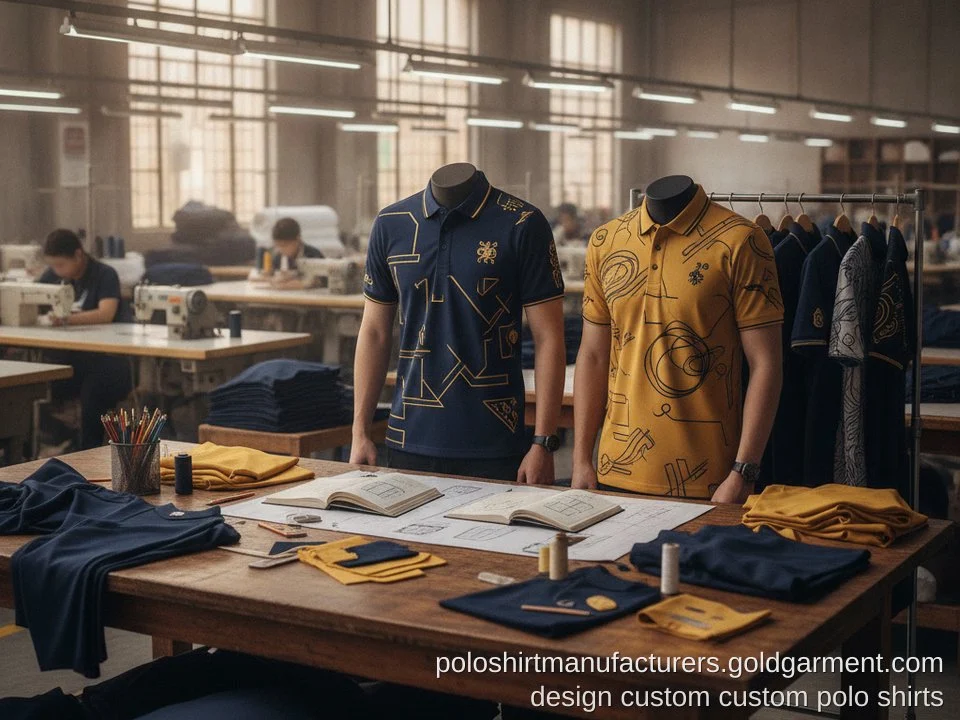
How to Design Custom Polo Shirts: From Concept to Bulk Production
Embarking on the journey to create your own branded apparel can be an exciting and rewarding venture. For businesses looking to establish a strong visual identity or launch a new product line, the ability to design custom polo shirts is paramount. This process, while detailed, is entirely manageable with the right approach. From conceptualizing your initial ideas to overseeing bulk production, understanding each step ensures your vision is translated accurately into a tangible, high-quality product.
At Gold Garment, a leading t-shirt manufacturer based in Ho Chi Minh City, Vietnam, we understand the intricacies involved in bringing custom apparel to life. Our expertise in OEM, ODM, and private label manufacturing, coupled with factory-direct pricing and worldwide shipping, empowers brands of all sizes. We are dedicated to guiding you through the entire design and production lifecycle, ensuring a seamless experience. This article will serve as your comprehensive guide to successfully design custom polo shirts, from the spark of an idea to the final delivery of your bulk order.
Designing custom apparel goes beyond simply choosing a color and adding a logo. It involves a strategic approach to branding, functionality, and manufacturing feasibility. Understanding the core elements of design, material selection, and technical specifications is crucial for achieving a product that not only looks great but also performs exceptionally. For those new to this process, it's beneficial to explore resources that clarify manufacturing requirements. For instance, understanding the necessity of a detailed specification document is key, as shown by our Vietnam factory tech pack guide. This document acts as the blueprint for your garment, ensuring all parties involved have a clear, shared understanding.
Phase 1: Conceptualization and Design Ideation
The genesis of any successful custom polo shirt lies in a clear and compelling concept. This is where your brand's identity, target audience, and intended use of the apparel converge. Consider the message you want your polo shirts to convey. Are they for a corporate team, a promotional event, a retail line, or a sports club? Each context will influence design choices.
Defining Your Brand Aesthetic
Your brand's existing aesthetic is the foundation for your custom polo shirt design. This includes your brand colors, fonts, and any existing logos or graphic elements. Consistency is key to reinforcing brand recognition. If you're creating a new brand, now is the time to establish these visual guidelines. The goal is to ensure the polo shirts feel like an authentic extension of your brand.
Sketching and Visualizing Your Ideas
Once your brand aesthetic is defined, begin translating your ideas into visual form. This can be as simple as hand-drawn sketches or more detailed digital mockups. Experiment with different collar styles, button placements, and sleeve lengths. Consider the overall silhouette and fit that best represents your brand and appeals to your target demographic. This iterative process of sketching and refining is essential for exploring various design possibilities.
Incorporating Branding Elements
The primary goal of custom polo shirts is often brand visibility. Think strategically about where and how to incorporate your logo and other branding elements. Common placements include the left chest, sleeve, collar, or even the back. The size and complexity of the logo should complement the overall design, not overpower it. For more intricate designs, consider the printing or embroidery methods that will best represent your artwork.
Phase 2: Technical Specifications and Artwork Preparation
Translating your creative vision into a format that manufacturers can work with requires detailed technical specifications and accurate artwork. This phase is critical for ensuring the final product matches your expectations precisely. A well-prepared custom t-shirt artwork file is non-negotiable for efficient and accurate production.
Understanding the Tech Pack
A custom polo shirts tech pack is a comprehensive document that outlines all the technical details of your garment. It includes measurements, material specifications, color codes (Pantone), stitching details, artwork placement, and finishing instructions. This document serves as the definitive guide for the factory and minimizes the risk of misinterpretation. Creating a thorough tech pack is an investment that pays dividends in production quality.
Preparing Your Artwork Files
For any logos, graphics, or custom patterns, you'll need to provide high-resolution artwork files. Typically, vector formats like AI, EPS, or SVG are preferred because they can be scaled to any size without losing quality. Ensure all fonts are outlined and colors are specified using Pantone references. This attention to detail in your custom t-shirt artwork file is crucial for accurate color reproduction and sharp graphic details.
Choosing Fabrics and Colors
The choice of fabric significantly impacts the look, feel, and performance of your polo shirts. Common options include cotton (for comfort and breathability), polyester (for durability and moisture-wicking), and blends like tri-blends. Each offers different benefits for various applications. We've detailed the advantages of each in our custom polo shirts fabric guide. Similarly, selecting the correct Pantone colors ensures your brand's signature hues are accurately represented on the final product.
Phase 3: Sampling and Prototyping
Before committing to a large production run, the sampling phase is essential for quality control and design validation. This is where you see your digital designs come to life for the first time.
The First Sample (Pre-Production Sample)
Once your tech pack and artwork are finalized, the manufacturer will produce a pre-production sample (PPS). This is your first physical representation of the custom polo shirt. Carefully examine this sample for fit, construction, color accuracy, print/embroidery quality, and overall craftsmanship. It's your opportunity to identify any discrepancies or areas for improvement.
Feedback and Revisions
Provide clear and constructive feedback to the manufacturer based on your review of the PPS. Be specific about what needs to be adjusted. This might involve minor tweaks to measurements, color corrections, or adjustments to the logo placement. The manufacturer will then produce a revised sample until you are completely satisfied.
Approving the Final Sample
Once you have made all the necessary revisions and are fully happy with the sample, you will provide your final approval. This approved sample then becomes the standard against which your entire bulk production order will be manufactured. This step is crucial for ensuring consistency across all units.
Phase 4: Bulk Production and Quality Assurance
With your design approved and samples finalized, you're ready to move into bulk production. This stage requires careful oversight to ensure quality and timely delivery.
Placing Your Bulk Order
When placing your bulk order, confirm the quantities for each size and color. Understand the manufacturer's lead times for production. At Gold Garment, we specialize in bulk production, with a manageable MOQ 100 pcs per style, making us an ideal partner for emerging brands and established businesses alike. Our factory-direct pricing ensures you receive excellent value for your investment.
Manufacturing Process Overview
The manufacturing process involves cutting the fabric according to patterns, sewing the garment pieces together, applying any prints or embroidery, and finishing the product. Understanding the basics of how custom polo shirts are made can help you appreciate the complexity and craftsmanship involved. You can learn more about this detailed process in our article, How Custom Polo Shirts Are Made: The Complete Manufacturing Process Step-by-Step.
Quality Control Measures
Throughout the production process, rigorous quality control checks are essential. This includes inspecting raw materials, monitoring sewing and finishing, and conducting a final inspection of the finished garments. A reputable manufacturer will have its own internal quality assurance protocols. For example, a real case demonstrating our commitment to quality in uniform production can be seen from Vietnam uniform t-shirt factory Gold Garment. Ensuring adherence to the approved sample and tech pack is paramount.
Packaging and Shipping
Once production is complete, the polo shirts will be packaged according to your specifications. Most manufacturers offer various packaging options, from individual polybags to bulk packing. Gold Garment provides worldwide shipping, ensuring your custom-designed apparel reaches you efficiently, whether you are in the USA, Europe, Australia, or Southeast Asia.
Frequently Asked Questions
Q: What is the minimum order quantity (MOQ) for custom polo shirts?
A: The MOQ for custom polo shirts can vary between manufacturers. At Gold Garment, we offer a flexible MOQ of 100 pieces per style, which is ideal for businesses looking to test the market or manage inventory effectively. Understanding MOQs is vital for budgeting and planning your production runs. You can find more details on this topic in our guide to Minimum Order Quantity for Custom Polo Shirts.
Q: What are the differences between OEM and Private Label manufacturing for custom polo shirts?
A: OEM (Original Equipment Manufacturer) typically involves producing designs provided by the client, with the client owning the design and brand. Private Label involves selling a manufacturer's existing product under your own brand name. For custom polo shirts, both models allow for branding. We explore the nuances of each in our article on OEM vs Private Label Custom Polo Shirts Manufacturing.
Q: What is the best file format for submitting custom t-shirt artwork?
A: The best file format for submitting custom t-shirt artwork is typically a vector format such as .AI, .EPS, or .SVG. These formats allow the artwork to be scaled to any size without loss of quality, ensuring crisp and clear printing or embroidery. Raster formats like .JPG or .PNG can be used if they are high resolution (at least 300 DPI at the intended print size), but vector is always preferred for scalability and sharpness.
Q: How do I ensure the colors of my custom polo shirts will be accurate?
A: To ensure color accuracy, always specify your desired colors using the Pantone Matching System (PMS). Provide these Pantone codes in your tech pack. Manufacturers use PMS to achieve consistent and precise color reproduction across different batches and materials. Discussing color standards with your chosen manufacturer is a crucial step in the design process for your custom polo shirts design for brand.
Successfully designing and producing custom polo shirts is an achievable goal with a structured approach. By focusing on clear communication, detailed specifications, and diligent quality control, you can bring your brand's vision to life.
Let Gold Garment be your trusted partner in creating exceptional custom polo shirts, from your initial concept to seamless bulk production.
📩 Request a Free Quote — Response Within 5 Minutes
🌎 Website: poloshirtmanufacturers.goldgarment.com
Factory-direct pricing · MOQ from 100 pcs/style · Sample development · Worldwide shipping
.jpg)
.jpg)
.jpg)
Nhận xét
Đăng nhận xét